
Commercial food truck insurance: the truck is the premises
A food truck is a vehicle, a kitchen, and a storefront in one chassis, and it needs all three insured: commercial auto for the road, general liability for the window and the event lot, and property coverage for the cooking equipment inside. Underwriters read food trucks as a transport risk first, which is why the vehicle conversation leads.
What coverage a restaurant needs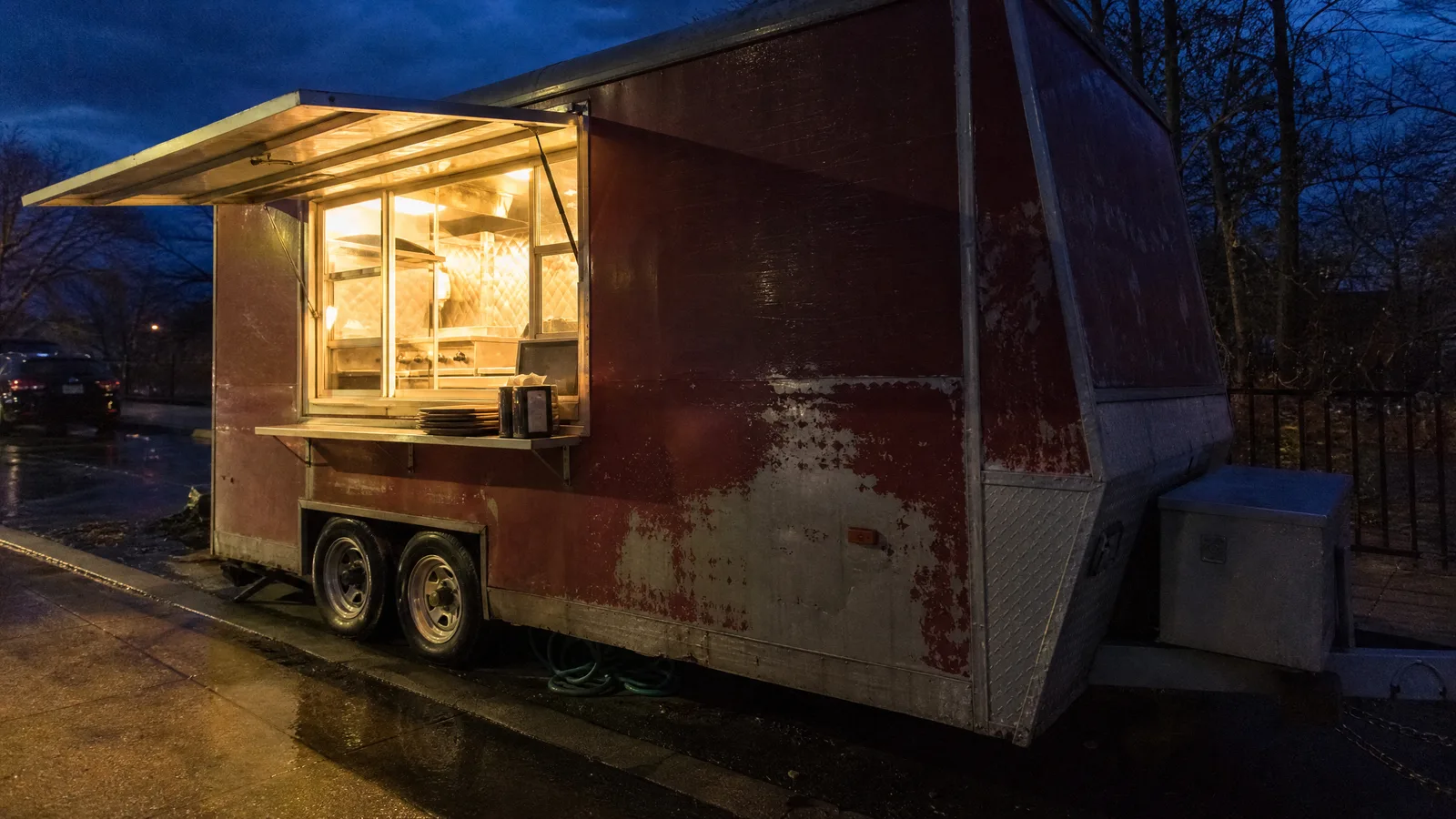
The auto component leads, and it is not optional
Start where the underwriter starts: the vehicle. The NAIC's small-business guidance says a business that owns or leases a vehicle needs commercial auto coverage, warns that personal auto policies may exclude business-related liability, and notes that commercial policies carry higher liability limits and can extend to rented and non-owned vehicles (NAIC, Insure U: Small Business Insurance). Every mile a food truck drives is business use, and the vehicle is also the workplace and the kitchen, which is why the auto piece of a food truck program does the heavy lifting that a lease does for a restaurant.
The rest of the stack rides on the chassis. General liability covers the premises categories at the service window, in the line, and on the event lot. Property coverage takes the kitchen itself: cooking equipment, generator, refrigeration, and inventory, the same categories the NAIC lists for any business, bolted into a vehicle. And hiring a second pair of hands brings workers compensation, required in nearly all states. The full mechanics of each piece are on our restaurant business insurance page; the proportions here are just different, because the truck concentrates everything into one insurable object rolling down the road.
The commissary, events, and what moves the price
The base of operations is part of the risk. Many jurisdictions require a mobile food unit to operate from a licensed base for supplies, cleaning, waste, and water. Texas writes the requirement into its food establishment rules, and our Texas food truck insurance page covers that structure in detail. Wherever you operate, the licensing frame is the one this site keeps naming: a state-adopted food code, enforced by state and local jurisdictions, never a federal mandate (FDA).
Events are underwritten, not assumed. Festivals and private bookings commonly demand certificates of insurance and additional-insured status, the same structure caterers live with; if your truck also caters, the overlap is real and our catering insurance page covers that side. Describe the whole operation, street service through event season, when you ask for quotes.
What moves the price. No figures, because honest ones depend on the truck: vehicle value and age, radius and where you park overnight, staff count, cooking methods (fryers and open flame read differently than cold service), event mix, and claims history. Bring the real operation to the conversation, or start at the overview.