
Brewery insurance, for both halves of the house
A brewery is a production facility and, usually, a hospitality venue in the same building, and the two halves need different coverage: property and product coverage for the tanks and what is in them, premises liability and liquor liability for the taproom. Brewpubs, wineries, and distilleries carry the same split, and all of it starts with federal TTB qualification.
What coverage a restaurant needs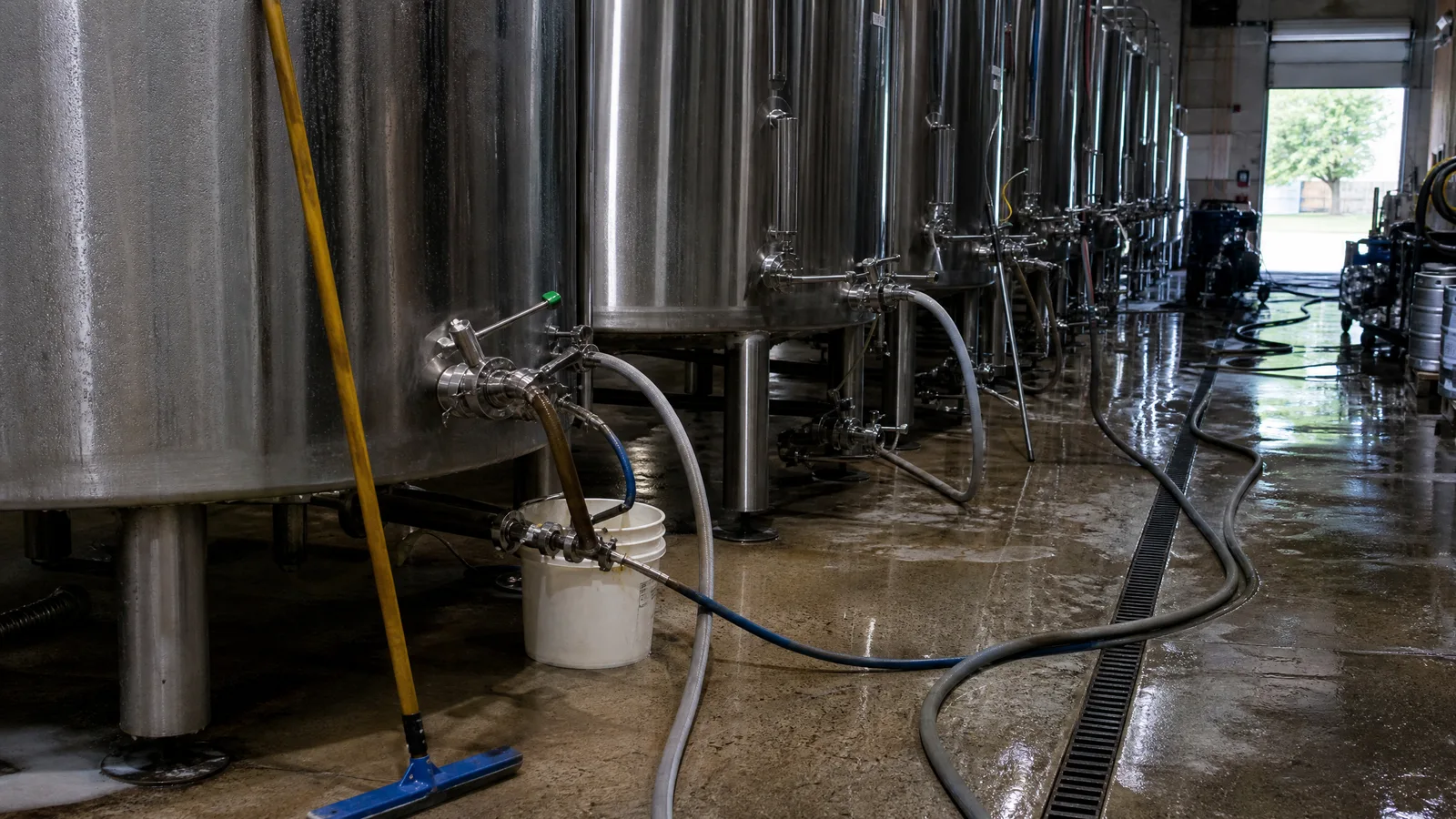
Before insurance: the federal gate
Producing alcohol for commercial sale requires qualifying with the Alcohol and Tobacco Tax and Trade Bureau before operating: a Brewer's Notice for breweries, bonded winery approval for wineries, and a Distilled Spirits Plant permit for distilleries, filed through TTB's Permits Online system with no federal application fee and a review measured in months (TTB, Requirements for Brewery Operations). State alcohol licensing sits on top of the federal layer, and the food side of a brewpub kitchen sits inside the state-adopted food code structure this site documents everywhere (FDA). The point for insurance planning is sequencing: the regulatory timeline and the coverage conversation belong in the same calendar.
Production risk in front, hospitality risk behind the taps
The production floor is a property-and-product risk. The NAIC's property categories, machinery, equipment, inventory, owned or leased, cover the visible assets (NAIC, Insure U: Small Business Insurance), but a brewery's most characteristic exposure is the product mid-process: a tank of beer is inventory in a form standard definitions handle unevenly, and contamination or equipment failure can take a batch with no fire involved. How in-process product, contamination, and spoilage are treated is the sharpest question to put to an agent. Claims arising from the product after it ships sit on the products-liability side of the conversation.
The taproom is a different business under the same roof: guests, events, food, and alcohol service. Premises liability reads as it does for any hospitality floor, staff brings workers compensation, required in nearly all states, and serving alcohol raises liquor liability, a state-law topic that deserves its own conversation with an agent who knows your state's rules rather than a paragraph here. A brewpub running a real kitchen should also read our restaurant business insurance page, and a beverage-led counter operation without production sits closer to our coffee shop insurance page. Or start at the overview.